
27th October 2025
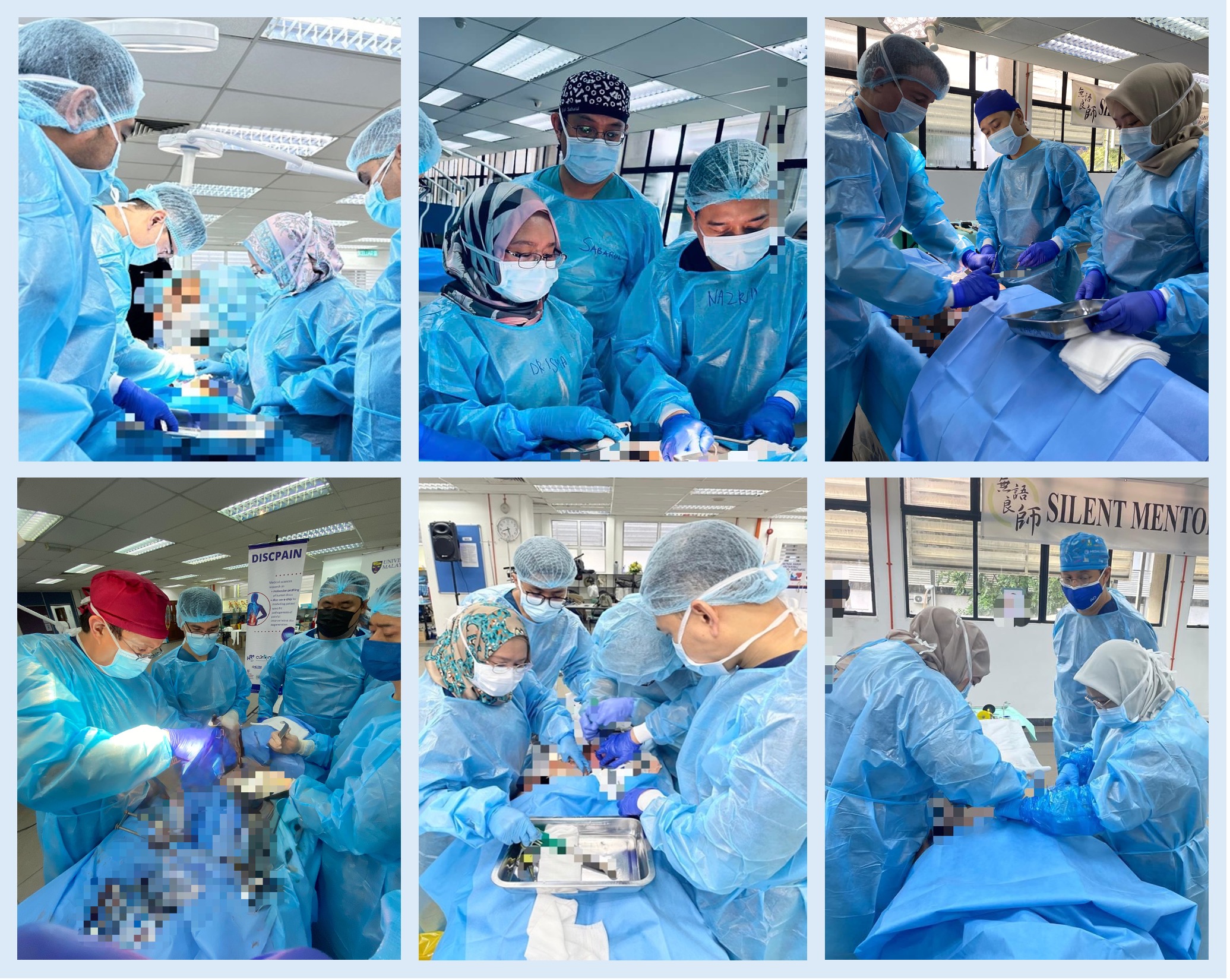
In collaboration with colleagues at the University of Kebangsaan, Malaysia (UKM), CÚRAM Investigator, Dr. Isma Liza Mohd Isa, at University of Galway has established a spine dissection protocol for obtaining intervertebral disc tissue for research in degenerative disc disease, a major cause of lower back pain. This protocol will strengthen global efforts in understanding disease mechanisms and the development of new therapies for the treatment of back pain.
“A major challenge in back pain research is obtaining healthy disc specimens from age-matched donors as proper control samples. This protocol addresses the issue by providing a detailed description of the dissection procedure for obtaining intact disc samples from human cadavers that have been donated to science. This achievement was made possible through multidisciplinary experts in medical sciences, anatomy and orthopaedics” she explains.
Dr Mohd Isa received €0.8M in funding from the Health Research Board under the Emerging Investigator Award for Health 2022, to lead the DISCPAIN project, which focuses on identifying molecular markers of disc degeneration, and on the development of an artificial mini organ to model degenerative disc disease.
As part of the project, a one-year prospective cadaveric study was conducted involving spine dissection to retrieve disc tissues from human cadavers, donated by individuals confirmed to have no spinal disorders. Dissections were carried out with full institutional human ethical approval and consent from donor families and following strict human cadaveric SOPs. The acquired discs were processed as healthy age-matched control samples alongside degenerative disc samples obtained from patients with low back pain for RNA sequencing analysis. This allowed the team to identify molecular markers involved in the mechanisms underlying disc degeneration that lead to back pain. These findings carry significant implications for the development of a disc disease model and potential therapeutic targets for the treatment of low back pain.
Dr. Mohd Isa believes this protocol will provide the way for spine researchers worldwide to access high-quality human disc specimens utilising for research in designing next-generation effective therapies for lower back pain.
“The phrase ‘the dead teach the living’ is a symbol of honour to body donors. Through their final act of generosity, anatomical knowledge and research can advance to benefit future patients,” she said.
The project is a collaboration between CÚRAM, Research Ireland Centre for Medical Devices at University of Galway, and the Department of Anatomy, Faculty of Medicine, Universiti Kebangsaan Malaysia (UKM) and a body donation centre known as the Silent Mentor Programme, at the University of Malaya.
The protocol for cadaveric spine dissection in harvesting disc samples has now been published in Annals of Anatomy (Elsevier) entitled: “Human Cadaveric Spine Dissection: A Protocol for Harvesting Lumbar Intervertebral Discs from Body Donors”
(further reading Mohd Isa et. al, Ann Anat. 2025;260:152680).
ENDS
